


Queensland Aboriginal and Islander Health Council

Community is the Best Medicine

Build a rewarding career in the Aboriginal and Torres Strait Islander Community Controlled Health Organisation (ACCHO) sector — where healthcare is led by Community, grounded in culture, and focused on improving health outcomes for Aboriginal and Torres Strait Islander peoples across Queensland.

Working in the ACCHO Sector

Across urban, rural and remote regions, ACCHOs deliver holistic, culturally informed primary healthcare shaped by the voices, priorities and aspirations of the communities they serve.

Doctors working in the ACCHO sector contribute to a model of care built on prevention, early intervention, strong family health, and long-term wellbeing. They are part of multidisciplinary teams that honour culture, elevate community leadership, and strengthen connections — ensuring care is not only clinically excellent, but culturally safe, community-driven and responsive to local strengths and needs.

Whether you are an experienced GP, a registrar, or exploring your next career move, the ACCHO sector offers rewarding clinical practice, professional growth, and the chance to be part of a model of care that puts community at its centre.

Discover Why Doctors Choose ACCHOs

Why Choose the ACCHO Sector?

Meaningful Impact

ACCHOs are governed by the communities they serve, ensuring healthcare is shaped by local needs and priorities. As a doctor, you'll play an important role in delivering culturally safe, high-quality care that supports individuals, families and communities.

Holistic Healthcare

ACCHOs take a comprehensive, holistic approach to health and wellbeing. You'll work alongside nurses, Aboriginal Health Workers and Practitioners, allied health professionals, care coordinators and social support teams to address the broader factors that influence health.

Build Lasting Relationships

Rather than practising transactional medicine, ACCHOs provide the opportunity to practise relational medicine — to develop long-term therapeutic relationships with patients, their families, and by extension the community. Being supported and encouraged to work in this way as a GP is clinically impactful and professionally rewarding.

Diverse Clinical Work

Working within an ACCHO offers a diverse and rewarding scope of clinical practice. Clinicians provide care across the entire life journey — from antenatal and maternal health, childhood development and preventative care, through to chronic disease management, mental health and aged care. No two days are ever the same.

Strong Sector Support

The ACCHO sector is backed by a strong network of community-controlled health organisations and peak bodies. In Queensland, QAIHC advocates for the sector, supports workforce development, and helps strengthen Aboriginal and Torres Strait Islander community-controlled healthcare. Visit www.qaihc.com.au

The ACCHO Model of Care

The ACCHO Model of Care delivers holistic, culturally safe and comprehensive primary health care shaped by the voices, priorities and aspirations of the communities we serve.

Grounded in the principles of self-determination, community control is at the heart of everything we do. ACCHOs are governed by local Aboriginal and Torres Strait Islander communities through locally elected Boards.

  • A culturally safe approach to comprehensive primary health care
  • Designed by and for Aboriginal and Torres Strait Islander communities
  • Cultural safety embedded across all services
  • Culture recognised as central to health and wellbeing
  • Holistic, person-centred care delivery

This ensures services are culturally safe, responsive, and free from institutional racism.

“Aboriginal health” means not just the physical wellbeing of an individual but refers to the social, emotional and cultural wellbeing of the whole Community in which each individual is able to achieve their full potential as a human being thereby bringing about the total wellbeing of their Community. It is a whole of life view and includes the cyclical concept of life-death-life.”

— Constitution of the National Aboriginal Community Health Organisation (NACCHO)
ACCHO Model of Care

Grow With Us

Professional Growth & Development

The ACCHO sector offers a range of opportunities for career progression and professional development:

  • GP training and supervision
  • Medical leadership pathways
  • Teaching and mentoring opportunities
  • Public health and population health initiatives
  • Research and quality improvement projects
  • Ongoing cultural learning and development

Whether you are early in your career or looking for a new challenge, there are opportunities to grow and make a lasting contribution.

Supported Every Step of the Way

Many doctors entering the ACCHO sector are new to Aboriginal health. That's okay. ACCHOs provide supportive environments where doctors can learn, develop cultural capability, and work as part of experienced multidisciplinary teams.

Support may include:

  • Comprehensive orientation and onboarding
  • Clinical mentoring and peer support
  • Cultural mentoring and training
  • Flexible work arrangements
  • Professional development opportunities
  • Relocation assistance

You don't need to have all the answers on day one. What matters most is a commitment to respectful, patient-centred care and a willingness to learn.

Hear From Doctors Working in the Sector

Dr Lisa Sims

Indigenous Wellbeing Centre

What's the most rewarding part?

“The most rewarding part is building genuine relationships with patients and families over time. I enjoy being able to provide more holistic care and creating a space where people feel comfortable, supported, and heard.”

Why did you choose the ACCHO sector?

“I was drawn to the ACCHO sector because of its strong focus on community, cultural safety, and whole-person care. It aligns with the way I like to practise medicine — in a more personal, respectful, and connected way.”

What did you learn?

“I've learnt how important trust, listening, and consistency are in healthcare. Taking the time to understand each person's background and experiences makes a real difference in how care is received and outcomes are achieved.”
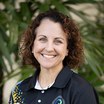
Dr Ranga Mashamhanda

Indigenous Wellbeing Centre

What's the most rewarding part?

“Working in ACCHOs is a privilege as one gets to work with the First Nations people and get a close interaction with their culture which in many respects has a lot of similarities to my own Shona culture.”

Why did you choose the ACCHO sector?

“I was looking for a job with social and family values. During my discussions with IWC they indicated a willingness to be flexible to family circumstances I must deal with as a single parent.”

What did you learn?

“It is a job which goes far beyond medical knowledge. It teaches you to challenge one's perspectives on health and look at health in a more holistic way with an emphasis on better understanding cultural factors in health delivery.”

Dr Claudia Collins

Yulu Burri-Ba

What's the most rewarding part?

“The best thing about being a GP in the ACCHO sector is the privilege of building genuine relationships with people and understanding their stories. It's about meeting patients where they are at, taking the time to listen, and recognising the cultural, family and community contexts that shape their health and wellbeing.”

Why did you want to work in the ACCHO sector?

“I was inspired by the way ACCHOs approach healthcare through genuine partnerships with patients, families and communities. The model is less hierarchical than many traditional healthcare settings and values the contributions of a diverse team working together towards shared goals.”

What did you learn?

“Working in the ACCHO sector has taught me the importance of truly listening — not just hearing the words people say, but understanding their experiences, priorities and perspectives. Some of the most valuable lessons I've learned have come from taking the time to listen carefully and recognise that patients are the experts in their own lives.”

Dr Richard Mills

IUIH

What's the most inspiring part?

“I think all of us are inspired by our work being meaningful. And I think that's probably the most important thing — that you feel like you're making a difference. You feel like it's a positive environment to work in.”

Advice for new doctors?

“Come in with an open mind. Listen, more than speak. Be open to feedback. Ask for feedback, seek feedback, respond to feedback. And really try to make those connections with your colleagues — particularly Aboriginal and Torres Strait Islander colleagues who are enthusiastic that you're joining them in the sector.”

Dr Kate Cook & Dr Andrew Dalton

CWAATSICH — ACCHO-Led Single Employer Model Pilot

Why join the Single Employer Model trial?

Dr Cook: “There are so many reasons why I'm here, but I really want to learn about the world's oldest culture, and I'm really honoured to have that opportunity.”

Dr Dalton: “Our end career goal is working in rural/remote Australia providing healthcare. We got to have a lot of conversations with the staff at CWAATSICH and really fell in love with the place.”

What appealed about the ACCHO sector?

Dr Cook: “Immersing myself in an ACCHO-led clinic, I can hopefully learn and grow from the community and understand what the community needs and how I can help deliver holistic health care. You can see it's such a well-rounded approach.”

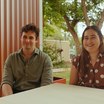
Dr Kate Cook & Dr Andrew Dalton — CWAATSICH, Charleville
Dr Kate Cook and Dr Andrew Dalton — CWAATSICH Charleville

Dr Rebecca Fatnowna

Gurriny Yealamucka Health Service Aboriginal Corporation

Can you tell us a bit about yourself?

“I grew up in Cairns and moved away for university and training and have moved back home to work and raise my family. My grandmothers on both my father's and mother's side were born on Thursday Island, with links to Moa (Kubin) and Ugar, respectively. My lineage from both my grandfather's traces back to the Eastern Kuku Yalanji people near Mossman/Port Douglas.”

How does your cultural identity influence your work?

“It influences how I understand health, communicate with patients, and build therapeutic relationships. It encourages me to take a holistic and culturally safe approach, recognising the importance of family, community, and lived experience in health outcomes. I emphasise reciprocity when building relationships with patients — when there is time for a yarn, I will always learn something new about kinship systems, community, local practices — which is building on my cultural knowledge and helping me become a better clinician.”

Why should more Aboriginal and Torres Strait Islander doctors work in the ACCHO sector?

“We need more Aboriginal and Torres Strait Islander doctors treating our mob. Just go for it — you don't have to be smart, you just need to be passionate and committed. Ignore the crabs in the bucket, jump at any opportunities, and take advantage of the supports out there. There will be huge sacrifices along the way, but it is all worth it. Being a part of improving the health of our mob, is worth it.”

Dr Joel Wright

Yulu Burri-Ba

Why did you want to work in an ACCHO?

“I always wanted to work back in the community if I could and it was… yeah, it was something on the radar and this came up as an opportunity and it was very, very good.

“I think being Aboriginal myself and also even having some of the issues — some of the preventable diseases — that I've had and been able to manage them properly, it actually gives a good deal of rapport with my patients, because I can actually walk through with them from my own personal experience with a lot of it.

“And having the same cultural background automatically helps to put a lot of patients at ease.”

What are some of the rewards of working in Community?

“It's being able to see the trajectory of people's health and life.

“You start the journey with them, and you see them as they grow older. And it's rewarding to actually move through life with them in their medical journey.

“You know your patients quite well. And you can be walking past them and say, ‘hey, you need to come and see me’. So, you can actually follow up patients in real time.

“You also get to make an impact in places that really need it.”

What's Great About Working in an ACCHO
Working as an Aboriginal GP in the ACCHO Sector

Ready to Learn More?

Discover current opportunities and find out how you can build a rewarding career in the ACCHO sector.

Contact our Workforce Advisor

Dr Claudia Collins — QAIHC Workforce Advisor

Claudia.collins@qaihc.com.au